Germany is often celebrated for its vibrant cities and historic castles, but for hikers, it is a land of incredible geographical variety. While it may not be an “alpine nation” in the same way as its southern neighbors, Germany offers a world-class trail system that connects dramatic limestone peaks, mystical sandstone towers, and the deep, rolling forests of the “Mittelgebirge” (Central Highlands).
Here are the most iconic mountain ranges to explore on your next German hiking adventure.
1. The Bavarian Alps: Germany’s High-Altitude Frontier
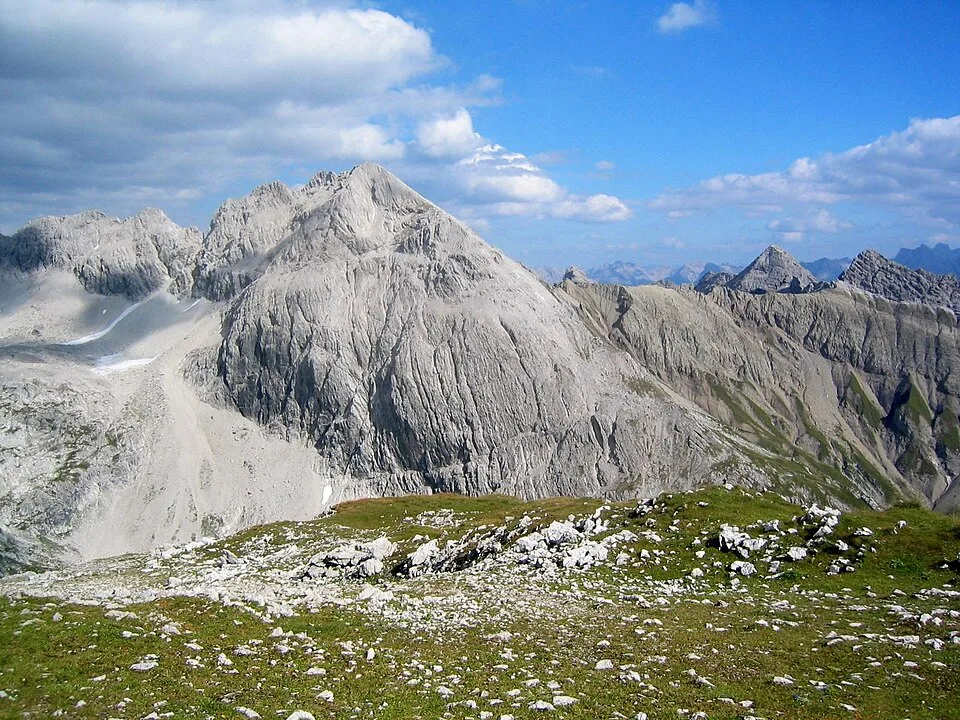
The Bavarian Alps run along the southern border with Austria. This is the only place in Germany where you will find true alpine terrain—jagged granite, glacial lakes, and snow-capped summits.
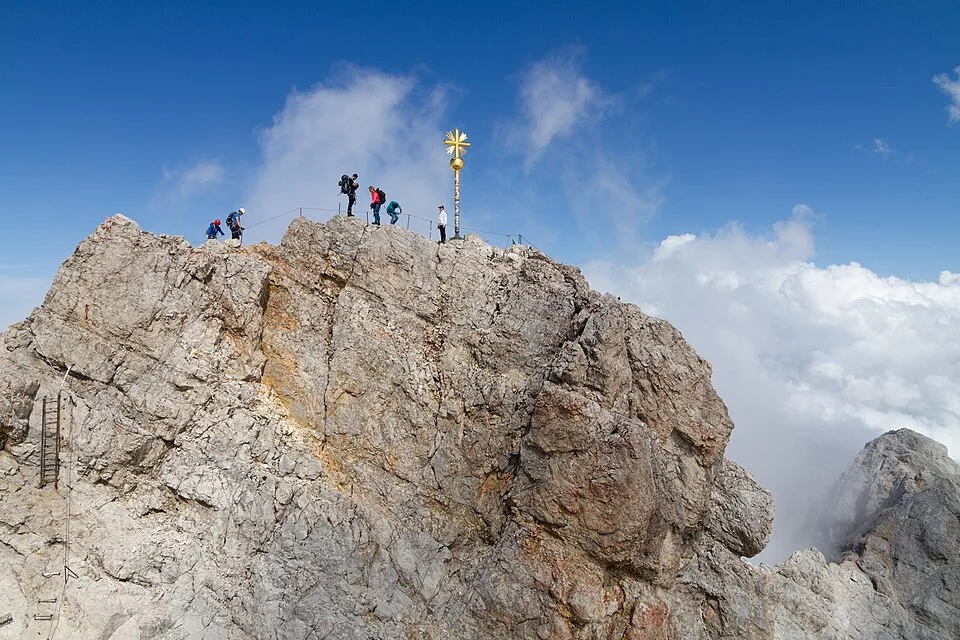
- Hiking Style: Steep, technical trails that often require good stamina. You can summit the Zugspitze (2,962 m), Germany’s highest point, or explore the pristine wilderness of Berchtesgaden National Park.
- Highlight: The Königssee, a fjord-like lake surrounded by vertical rock walls, offering some of the most photographed views in Europe.
- Base: Garmisch-Partenkirchen or Berchtesgaden.
2. The Black Forest (Schwarzwald): The Hiker’s Heartland
Located in the southwest, the Black Forest is perhaps Germany’s most legendary hiking destination. It is a vast region of dense evergreen canopies, sunny vineyards, and traditional farmhouses.
- Hiking Style: Thousands of kilometers of well-maintained paths. It’s famous for “Genusswandern” (pleasure hiking), where the goal is as much about the scenic views as it is about the local ham and cake at the next mountain inn.
- Best For: Long-distance walkers. The Westweg is one of the oldest and most famous long-distance trails in Germany.
- Base: Freiburg or Titisee-Neustadt.
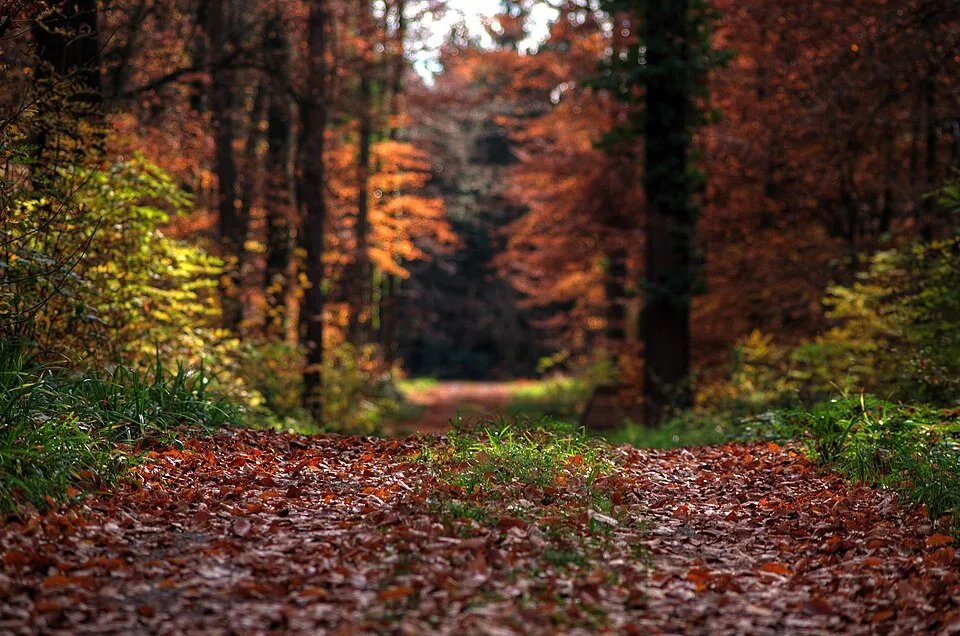
3. Saxon Switzerland (Sächsische Schweiz): The Sandstone Labyrinth
Located near Dresden in the east, this range is unlike anything else in Germany. Instead of long ridges, you’ll find thousands of individual sandstone pillars and deep, mossy canyons.
- Hiking Style: Adventurous and vertical. Many trails involve climbing iron stairs (stiegen) and navigating narrow rock crevices.
- Highlight: The Bastei Bridge, which looks like it was plucked straight from a fantasy movie.
- Base: Bad Schandau.
4. The Harz Mountains: Folklore and Wilderness
In the heart of Germany lies the Harz, a range steeped in medieval legends and myths of witches. It was once divided by the Iron Curtain, and today it remains a wild, atmospheric escape.
- Hiking Style: Forested trails that lead to the Brocken (1,141 m), the highest peak in Northern Germany. The summit is famous for its unique microclimate and the historic steam train that still runs to the top.
- Base: Wernigerode or Goslar.
5. The Allgäu: Cowbells and Castles
The Allgäu region offers the classic “Bavarian” experience: emerald-green hills, grazing cattle, and high-altitude ridges that are slightly more accessible than the high Alps.
- Hiking Style: A perfect mix of moderate valley walks and challenging ridge-top scrambles.
- Highlight: You can hike to viewpoints overlooking Neuschwanstein Castle, the inspiration for Disney’s Sleeping Beauty castle.
- Base: Oberstdorf or Füssen.
Comparison of German Hiking Destinations
| Range | Max Elevation | Character | Best For |
| Bavarian Alps | 2,962 m | High Alpine / Rocky | Serious climbers & Alpine scenery |
| Black Forest | 1,493 m | Dense Forests / Hills | Long-distance trekking & Food |
| Saxon Switz. | 723 m | Sandstone Pillars | Adventure & Photography |
| Harz | 1,141 m | Mystical / Wild | Folklore & History buffs |
| Allgäu | 2,657 m | Pastoral / Rugged | Classic landscapes & Lakes |
featured image: Maksym Kozlenko, CC BY-SA 4.0, via Wikimedia Commons